Tarpon’s impressive size and agility make them a prized catch for anglers worldwide.
But what makes tarpon so special, and how can you catch them?
The Biology of Tarpon
Tarpon are a species of fish that belongs to the family Latidae. They are found in warm, tropical, and subtropical waters around the world, with a particular affinity for brackish and saltwater environments. In Florida, tarpon are a common sight in the coastal waters, particularly in the Gulf of Mexico and the Atlantic Ocean. Key characteristics of tarpon include:
Hooked on Tarpon: Mastering the Art of Catching these Elusive Fish.
The Art of Tarpon Fishing
Tarpon fishing is a highly sought-after experience for many anglers. These large, silver fish can grow up to 8 feet in length and weigh over 200 pounds, making them a formidable catch. To increase the chances of landing one, understanding the best techniques and strategies is crucial.
Understanding Tarpon Behavior
Tarpon are known to be attracted to live bait, such as crabs or mullet, which can be used to entice them. Fly fishing is also a popular method, using large flies to mimic the appearance of injured baitfish. Understanding the behavior of tarpon is essential to effectively target them.
Key Factors to Consider
Snook thrive in shallow, coastal waters with abundant vegetation, structure, and baitfish.
Snook are attracted to shallow waters with abundant vegetation, structure, and baitfish.
Understanding Snook Habitat
Snook are a species of fish that thrive in shallow, coastal waters. They can be found in a variety of habitats, including mangrove swamps, seagrass beds, and coral reefs. These areas provide the necessary structure and cover for snook to hide, feed, and breed.
Key Features of Snook Habitat
Snook Behavior and Fishing Techniques
Snook are known for their aggressive behavior and strong fighting ability. They are attracted to shallow waters with abundant vegetation, structure, and baitfish.
In the Gulf of Mexico, snook are found in the coastal waters, estuaries, and mangrove swamps. In the Atlantic Ocean, snook are found in the coastal waters, estuaries, and mangrove swamps, but are less common than in the Gulf of Mexico.
Sailfish are known for their impressive speed, reaching up to 68 miles per hour, making them one of the fastest fish in the ocean.
The Habitat and Behavior of Sailfish
Sailfish are a pelagic species, meaning they spend most of their time in the open ocean. They are found in tropical and subtropical waters, typically between 100 and 1,000 feet below the surface. Sailfish are known to migrate vertically, moving from the surface to the depths of the ocean in search of food and shelter. Key characteristics of sailfish habitats: + Tropical and subtropical waters + Open ocean, typically between 100 and 1,000 feet below the surface + Vertical migration patterns
The Diet and Feeding Habits of Sailfish
Sailfish are carnivores and feed on a variety of prey, including fish, squid, and crustaceans. They are known to hunt in schools, using their speed and agility to catch their prey. Sailfish have a unique way of eating, using their bill to spear their prey and then swallowing it whole. Key characteristics of sailfish diets: + Carnivorous + Feed on fish, squid, and crustaceans + Hunt in schools
The Conservation Status of Sailfish
Sailfish are listed as a species of “least concern” by the International Union for Conservation of Nature (IUCN).
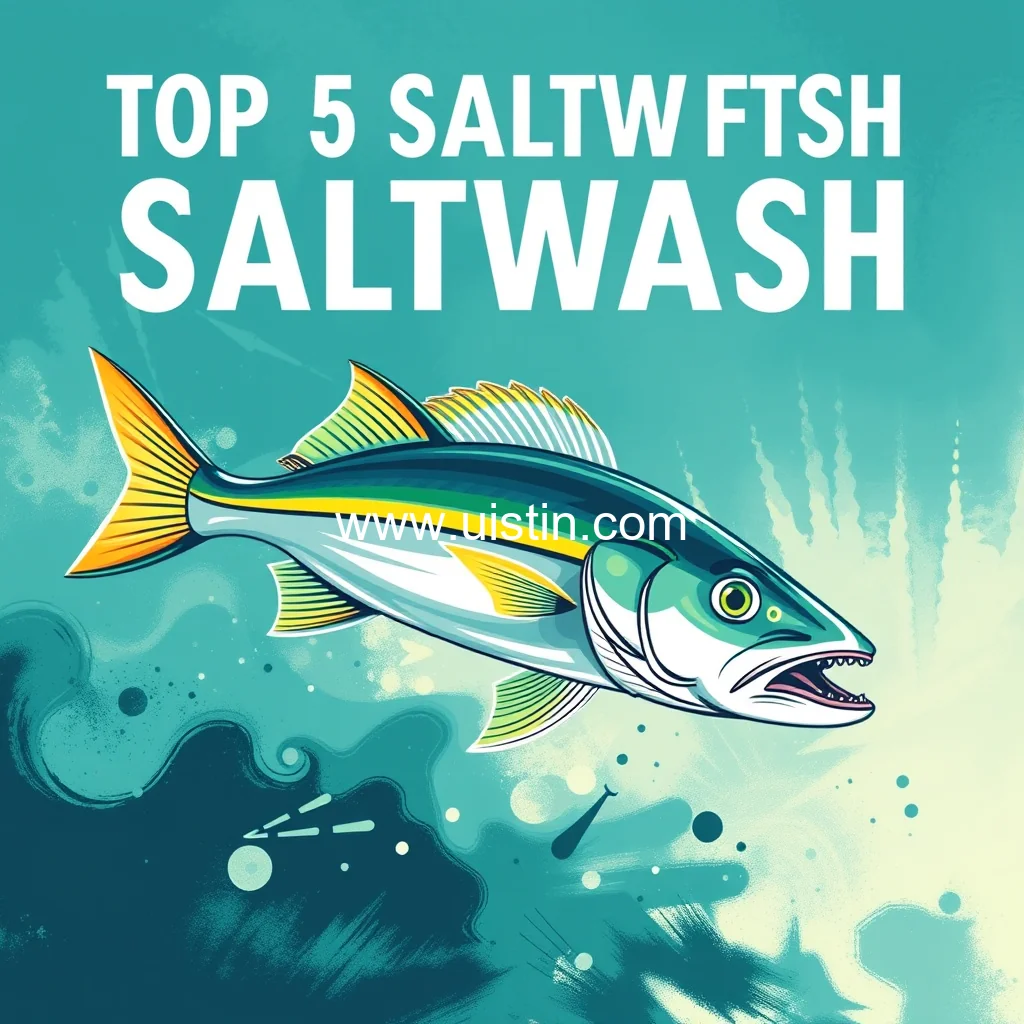
From the Gulf of Mexico to the Atlantic Ocean, the Sunshine State is renowned for its incredible fishing spots, and we’re about to dive into the top five saltwater fish that Florida anglers love to catch.
Top Five Saltwater Fish in Florida
1. Red Snapper
The red snapper is a highly prized game fish in Florida, and for good reason. These fish are known for their vibrant red color and impressive fighting ability. With a maximum size limit of 28 inches and a daily catch limit of 15 fish, red snappers are a popular target for both recreational and commercial anglers. Habitat: Red snappers can be found in shallow, tropical waters with coral reefs and rocky structures. Diet: They feed on a variety of prey, including fish, crustaceans, and mollusks. * Fishing techniques: Red snappers are often caught using bottom fishing gear, such as hooks and sinkers, or trolling with lures.**
2.

news is a contributor at Uistin. We are committed to providing well-researched, accurate, and valuable content to our readers.
You May Also Like
news is a contributor at Uistin. We are committed to providing well-researched, accurate, and valuable content to our readers.