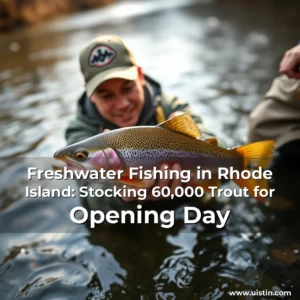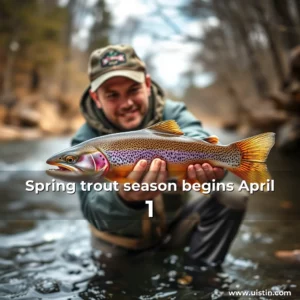

Spring is a time of renewal and rebirth in the Garden State, and for many anglers, opening day of trout season marks the beginning of a cherished tradition. In New Jersey, the tradition of catching trout is a way of life, with thousands of people flocking to streams, lakes, and ponds to cast their lines and enjoy the great outdoors. For Kyle Civalier, a freshwater fisheries biologist at the New Jersey Department of Environmental Protection, the tradition is deeply ingrained in the state’s culture. “My dad was a big freshwater fisherman and he passed it on to me. And that’s the way a lot of people are in New Jersey,” he said. “People love catching those big trout, and it just gets you outdoors. It seems like it’s almost ingrained in New Jersey.”
The tradition of catching trout is not just a hobby, but also a way to connect with nature and the community. New Jersey Fish and Wildlife, the agency responsible for managing the state’s fish populations, stocks over 180,000 rainbow trout in waterways across the state to kick off the season. This is just one part of a larger effort to promote the conservation of trout populations in the state. While the rainbow trout are stocked in New Jersey, there are very few wild populations of these hardy fish — especially in South Jersey. According to Civalier, the diversity of waterways in the state provides opportunities for anglers of all ages and experience levels. “It’s really good to teach a little kid, or somebody who just gets into fishing,” he said. “It’s a great way to teach them trout fishing, because it’s a small water body. They have a great chance of catching fish.”
However, the tradition of catching trout also faces challenges. As the climate changes, the state’s waterways are facing new threats, such as warmer waters and altered ecosystems. This can make it difficult for trout to survive and thrive, and can affect the overall health of the fish population. Despite these challenges, the tradition of catching trout remains a beloved part of New Jersey’s culture. For many anglers, it’s a way to get outside and enjoy the great outdoors, regardless of the challenges faced by the fish population. As Civalier said, “It’s not just about catching fish, it’s about being outdoors and enjoying nature.”
Here are some key highlights of the spring trout season in New Jersey:
- Over 180,000 rainbow trout will be stocked in waterways across the state to kick off the season.
- More than 570,000 rainbow trout will be stocked through the season, with a total of 10 ponds and lakes receiving extra stock.
- The state’s 14 major trout streams will be closed to fishing from 5 a.m. to 5 p.m. to allow the trout to disperse after they’re stocked.
- Anyone over 16 must obtain a fishing license and trout stamp to fish, with restrictions on the number of trout that can be caught.
| Stream | Trout Allocation | Restrictions |
|---|---|---|
| 1. Delaware River | 18,000 trout | 6 trout per angler |
| 2. Raritan River | 12,000 trout | 4 trout per angler |
| 3. Rahway River | 10,000 trout | 5 trout per angler |
| 4. Hackensack River | 20,000 trout | 6 trout per angler |
| 5. Piscataway Creek | 8,000 trout | 3 trout per angler |
| 7. Neshaminy Creek | 12,000 trout | 5 trout per angler |
| 8. Crooked Creek | 10,000 trout | 4 trout per angler |
| 9. Salem Creek | 12,000 trout | 5 trout per angler |
| 11. Elk Creek | 10,000 trout | 4 trout per angler |
| 12. Cohansey Creek | 12,000 trout | 5 trout per angler |
| 14. Maurice River | 18,000 trout | 6 trout per angler |
According to Civalier, the diversity of waterways in New Jersey provides opportunities for anglers of all ages and experience levels. They have a great chance of catching fish.”
As the climate continues to change, the state’s waterways are facing new threats, such as warmer waters and altered ecosystems. Civalier acknowledged that the challenges posed by the climate change are a significant concern for the trout population. As Civalier said, “It’s not just about catching fish, it’s about being outdoors and enjoying nature.”
New Jersey’s fishing regulations and stocking schedules can be found on the state’s spring trout webpage, or by using the QR code found in the 2025 New Jersey Freshwater Fishing Digest. “Fishers are restricted to catching six trout in most waterways during the spring, and no more than four beginning June 1,” Civalier said. “It’s essential to follow these regulations to ensure the sustainability of the trout population.”
Civalier also emphasized the importance of teaching children about the importance of conservation and the role of fishing in the ecosystem. “It’s not just about catching fish, it’s about understanding the interconnectedness of our environment and the importance of responsible fishing practices.”
By supporting conservation efforts and responsible fishing practices, anglers can help protect the trout population and preserve the tradition of catching trout for future generations. “Spring trout fishing is a tradition that is cherished by many in New Jersey,” Civalier said. “By supporting conservation efforts and responsible fishing practices, we can ensure that this tradition continues to thrive for years to come.”
Conservation Efforts
New Jersey’s conservation efforts are crucial in protecting the trout population. The state’s fish and wildlife agency is working to restore habitats and improve water quality, which will help to support the growth of trout populations. “We’re doing everything we can to protect the trout population and ensure that they have the best chance of survival,” Civalier said. “It’s a complex issue, but we’re making progress and we’re committed to doing everything we can to protect our fish and wildlife resources.”
The state’s conservation efforts are focused on several key areas, including:
- Restoring habitats: The state is working to restore habitats that are critical for trout survival, such as wetlands and streams.
- Improving water quality: The state is working to improve water quality by reducing pollution and other environmental factors that can harm trout.
- Protecting habitats: The state is working to protect habitats that are critical for trout survival, such as streams and rivers.
- Enhancing fishing regulations: The state is working to enhance fishing regulations to ensure that the trout population is protected and sustainable.
By working together to protect the trout population, New Jersey’s conservation efforts can help ensure that this beloved tradition continues for generations to come.
Conclusion
Spring is a time of renewal and rebirth in New Jersey, and for many anglers, opening day of trout season marks the beginning of a cherished tradition. The tradition of catching trout is a way of life in the state, and it’s not just about catching fish – it’s about being outdoors and enjoying nature. However, the tradition of catching trout remains a beloved part of New Jersey’s culture, and with the support of conservation efforts and responsible fishing practices, this tradition can continue to thrive for years to come. By supporting conservation efforts and responsible fishing practices, anglers can help protect the trout population and preserve the tradition of catching trout for future generations. As Civalier said, “It’s not just about catching fish, it’s about understanding the interconnectedness of our environment and the importance of responsible fishing practices.”
Get Involved
If you’re interested in learning more about spring trout fishing in New Jersey, or if you’re interested in getting involved in conservation efforts, there are several ways to get started.