
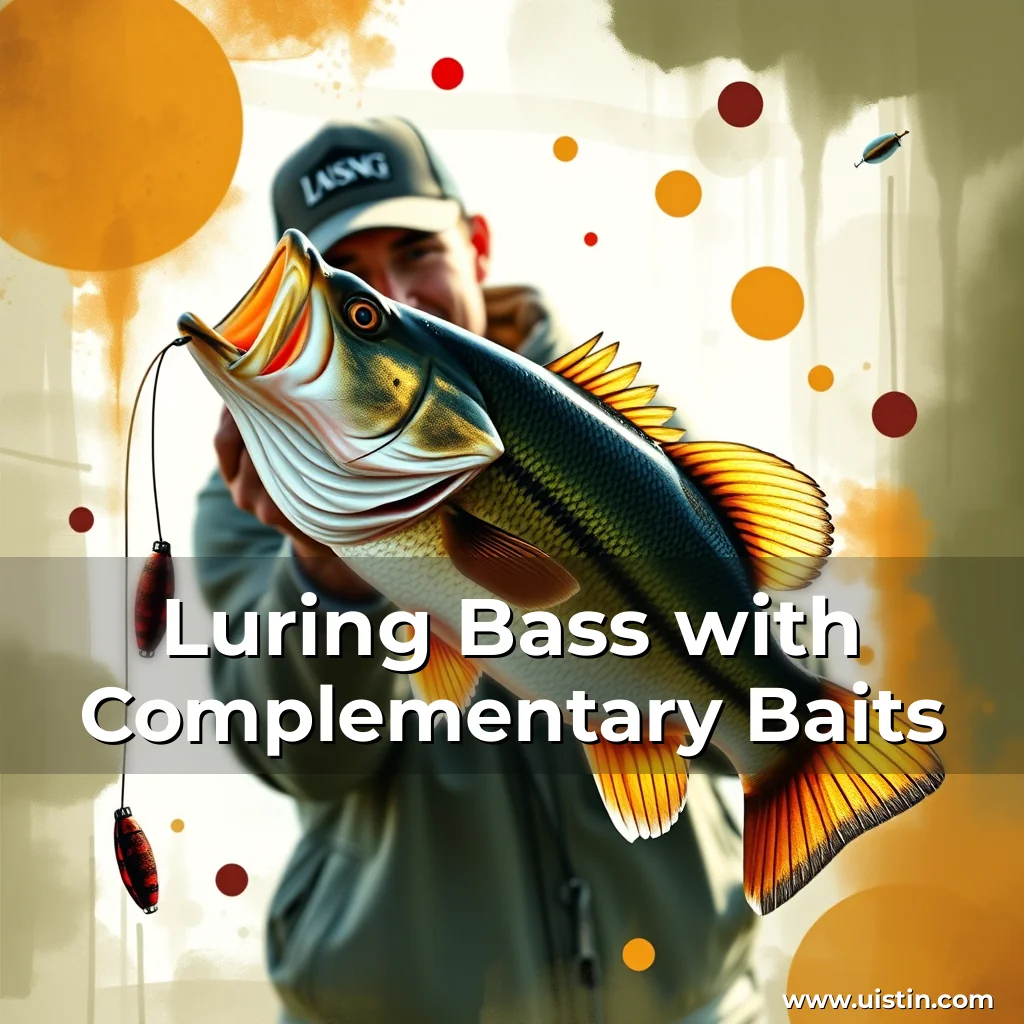
Learning to effectively and efficiently use an artificial lure to trick a bass into biting is a crucial step in your development as an angler. Adding additional techniques to your repertoire helps broaden your tackle box, giving you different offerings for various seasons, weather patterns, water colors, and types of cover. This is 102-level stuff.
What Are Complementary Baits and Why Fish Them?
The term “complementary” isn’t thrown around a lot when discussing baits. All it means is using a specific bait that complements another bait well, or even a technique that complements another technique. Trying to fish with five or ten baits throughout an area is overwhelming and usually ineffective, especially for beginners. And having a go-to bait that you have a ton of confidence in is great until the fish don’t want anything to do with it. That’s why you should always have two purpose-chosen baits ready to go.
Figure out a one-two punch consisting of a couple of baits that work well in a certain area on a certain day can be key to unlocking more bites. Two complementary baits bring different strengths to the table to make up for each other’s weaknesses, allowing you to be more effective and a lot more efficient. Rotating back and forth between them will allow you to get your bait to more fish, hang up less, increase your hookup and landing ratio, and minimize the number of fish you miss.
When and How to Use Baits in Tandem
There are several instances in which fishing baits in tandem can be extremely beneficial. For one, anytime you have a limited area to fish. Say you’re fishing a pond from shore. Having two baits that appeal to two different sets of fish will increase your productivity substantially, like a Texas rig and a topwater in this situation.
It’s also a great idea to fish complementary baits in tandem if you’re in a team tournament or just fun fishing with someone else in the boat. Both anglers throwing the exact same bait is rarely the best approach. Instead, fish some sort of complementary baits, like a swim jig thrown behind a frog. This gives the second person a better chance of catching a fish that wouldn’t quite commit to the first offering.
The same holds true for the angler fishing alone. If you’re in an area with lots of fish, it’s a good idea to fish with a power bait like a spinnerbait and then circle right back through with something less aggressive, like a Fluke. Sure, you could just start with the Fluke, but the spinnerbait rig is better suited for wrestling big bass out of cover. However, a Fluke always serves as a great follow-up bait when fishing a spinner or buzzbait. If a fish swats at the more aggressive bait and misses it, you can throw back in with the subtler bait and often catch the fish.
Squarebills and Spinnerbaits: A Deadly Combo
I enjoy targeting bass in shallow, stained-to-muddy water throughout most of the year. Almost every time I do this, I have both a squarebill and a spinnerbait on deck because each brings something to the table that the other doesn’t. I usually start with a spinnerbait but rotate back and forth between the two to determine which is working better that day. But it’s not as simple as committing to one or the other. You have to consider the cover.
When fishing shallow, muddy water, the key to catching fish is usually targeting cover, like docks, stumps, rocks, brush, and grass. Most of the time, one of these two baits works better than the other, depending on the specific piece of cover I’m targeting on a particular cast.
| Scenario | Bait 1 | Bait 2 |
|---|---|---|
| Bare Log | Squarebill | Spinnerbait |
| Limby Tree Top | Spinnerbait | Squarebill |
| Shallow Bush | Spinnerbait | Squarebill |
| Stumps and Docks | Spinnerbait | Squarebill |
Other Examples of Complementary Baits
- Frog/flipping bait and frog/swim jig
- Buzzbait/spinnerbait
- Spinnerbait/swim jig
- Deep crankbait/football jig
- Deep crankbait/hair jig
- Football jig/shakyhead
This is not an exhaustive list and several baits are mentioned multiple times—some on both sides. The takeaway is that each of the baits can produce bites alone, but the two will work better together, which is why you should have two baits ready to go at all times.
“Fishing with two complementary baits is a game-changer. It increases your chances of catching fish and landing them. It’s all about finding the right combination for the right situation.”
By incorporating complementary baits into your fishing repertoire, you’ll be able to adapt to different situations and increase your overall effectiveness as an angler. Don’t be afraid to experiment with different combinations and find what works best for you.
So next time you’re on the water, consider adding a second bait to your arsenal. It might just make all the difference in landing more fish and enjoying a more successful fishing trip.
Remember, having two complementary baits ready to go is not just about having a backup plan; it’s about maximizing your potential and becoming a more effective angler.