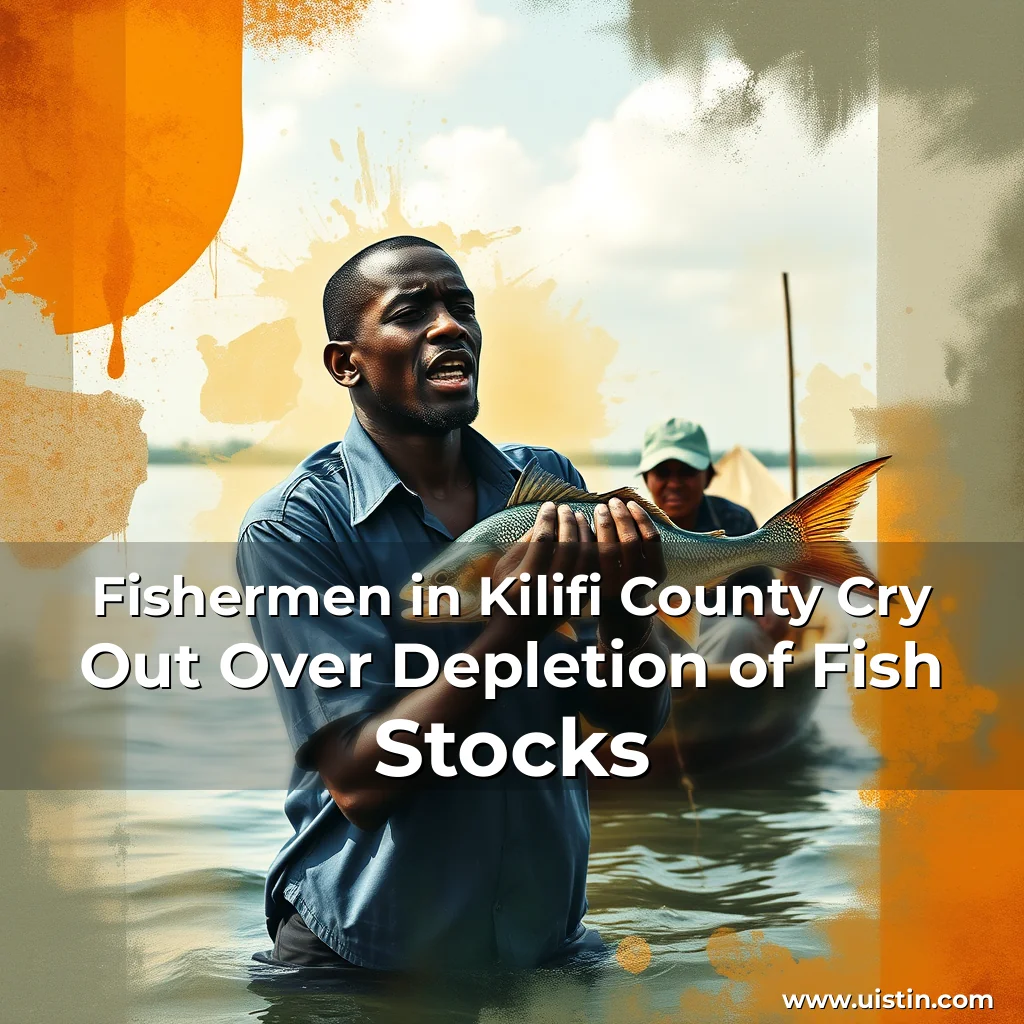
In the Indian Ocean, off the coast of Kilifi County, Kenya, a dire situation is unfolding. Fishermen are expressing their frustration and despair over the decline of fish stocks due to the arrival of large foreign fishing vessels. The situation is taking a toll on the livelihoods of local fishermen, who are struggling to make a living from the dwindling fish supply.
- Trained fishermen with modern gear are now forced to venture further into the ocean to find a worthwhile catch, while those with outdated equipment are struggling to survive.
- Artisan fishermen are calling on the government to provide them with better tools, stronger fishing equipment, and soft loans to help them purchase boats and compete with the foreign vessels.
- Fishmongers in local markets are struggling to meet the market demands due to the scarcity of fish, leading to higher prices for consumers.
The fishermen’s plight is exacerbated by the use of illegal fishing gear by the foreign vessels, which not only destroys entire ecosystems but also depletes the fish stock. “The owners of those vessels might be using illegal fishing gear to catch fish,” said Captain Shallo of the Kilifi Beach Management Unit (BMU). “They are destroying entire ecosystems, which is an even greater cause for concern.”
| Environmental Impact | Description |
|---|---|
| Trawling | Large nets dragged across the ocean floor, pulling in tonnes of marine creatures, rocks, and mud, leading to depleting fish stocks. |
| Ring Nets | Catch juvenile fish before they are mature, damaging fish breeding beds and disrupting the marine ecosystem. |
| Marine Pollution | Contributes to decreased fish stocks by causing harm to marine life and habitats. |
| Climate Change | Rising temperatures increase levels of carbon dioxide in water, leading to an increase in salinity, coral reef bleaching, and erosion. |
Dr. Robert Mokua, a marine and climate change expert at Pwani University, highlighted the role of trawlers and ring nets in depleting fish stocks. “Trawling vessels are the number one enemy,” he said. “They drag huge nets for thousands of miles along estuaries, bays, and the continental shelves, pulling tonnes of marine creatures, rocks, and mud. This has led to depleting fish stocks.”
In addition to the environmental impact, Dr. Mokua also noted that climate change and marine pollution are contributing to the decline of fish stocks. “Rising temperatures increase levels of carbon dioxide in water, leading to an increase in salinity, which causes bleaching of coral reefs, the feeding and breeding grounds for fish,” he explained. Erosion into the ocean may also cover the coral reefs, hindering fish from accessing their food, while mangrove forests are swept away, causing fish to swim to deeper parts of the ocean in search of food. Kelly Banda, a marine conservationist, emphasized the need for the Kenya Wildlife Service (KWS) and the Agriculture and Fisheries Ministry to investigate the illegal fishing activities. “Trawlers catch all the fish available regardless of protected species or safety standards,” she said. “These big vessels hold heavy nets that destroy the ocean and the marine habitat, but especially nurseries for juveniles, which prevents the fish from reproducing.”
The shortage of fish and sea products has led to a significant increase in prices for the little catch available. Fishmongers at the local market are feeling the pinch, forced to buy fish from fishermen at high prices, which they then pass on to consumers. Khadija Musa, a fishmonger, said, “Whenever I purchase fish from the fishermen at a high price, the majority of my clients complain about the price being too high and occasionally stop doing business with me.”
Ms. Josephene Katsele, who runs an eatery at Old Ferry, also expressed her concerns. “Most customers coming to eat at the beach usually demand seafood, and we have been unable to provide adequately,” she said. The situation is a stark reminder of the urgent need for action to address the decline of fish stocks and protect the livelihoods of local fishermen.
“The situation is dire, and we need help from the government and the international community to address this issue,” said Captain Shallo.
With the help of better tools, equipment, and support, local fishermen can recover and thrive once again. The future of Kilifi County’s fishing industry hangs in the balance, and it is imperative that we take immediate action to protect it. It’s time for the government to step up and provide the necessary support to the fishermen and the community. With the right support, the fishing industry can not only recover but also become more sustainable and resilient in the long run.
As the situation continues to unfold, the people of Kilifi County and the international community must come together to address this pressing issue and find a solution to the depletion of fish stocks.
What can be done to address the issue?
- Implement stricter regulations and enforcement of fishing laws.
- Provide support to local fishermen, including better tools, equipment, and soft loans.
- Invest in marine conservation and sustainable fishing practices.
- Encourage international cooperation to address the issue of illegal fishing.
The depletion of fish stocks in Kilifi County is a pressing issue that requires immediate attention and action. The situation is dire, and the livelihoods of local fishermen are at stake. With the help of better tools, equipment, and support, local fishermen can recover and thrive once again. It’s time for the government to step up and provide the necessary support to the fishermen and the community.
Conclusion
As we reflect on the situation in Kilifi County, it’s clear that the depletion of fish stocks is a complex issue that requires a multifaceted approach. By working together, we can find a solution to this pressing problem and ensure the long-term sustainability of the fishing industry.
“The future of Kilifi County’s fishing industry is in our hands.