Entanglement in Fishing Gear: A Growing Concern
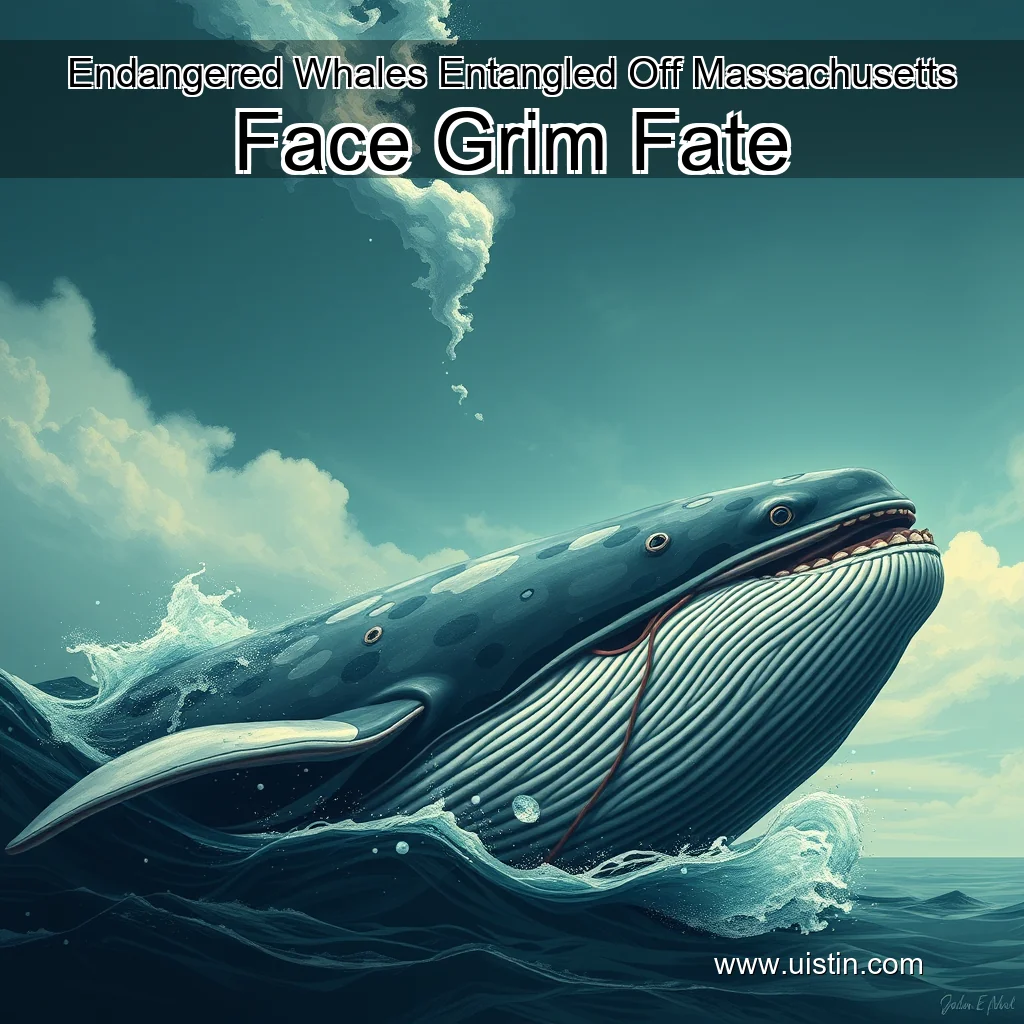
Entanglement in fishing gear is a significant threat to marine life, particularly for large cetaceans like North Atlantic right whales. The species is already critically endangered, with only around 450 individuals remaining in the wild. The entanglement in fishing gear poses a substantial risk to the whales’ survival, as it can cause severe injuries, drowning, or even death. The main causes of entanglement include:
- Lost or abandoned fishing gear
- Poorly designed or maintained fishing gear
- Lack of monitoring and enforcement of fishing regulations
The Impact of Entanglement on North Atlantic Right Whales
Entanglement in fishing gear can have devastating consequences for North Atlantic right whales. The most common injuries are:
The juvenile whale, in particular, is in a critical condition due to the severity of its injuries. The adult female, while injured, is expected to survive with proper care and assistance.
NOAA’s Response and Collaboration
NOAA is working closely with experts to assess and potentially assist the whales.
The North Atlantic Right Whale
The North Atlantic Right Whale (Eubalaena glacialis) is one of the most endangered species in the world. With only around 450 individuals remaining, this majestic creature is on the brink of extinction. The North Atlantic Right Whale’s population has been declining steadily over the past few decades, and conservation efforts have been underway to protect this species.
Habitat and Distribution
The North Atlantic Right Whale is found in the North Atlantic Ocean, primarily in the waters off the East Coast of North America. They inhabit areas with cold, nutrient-rich waters, such as the Gulf of Maine and the Canadian Maritimes.