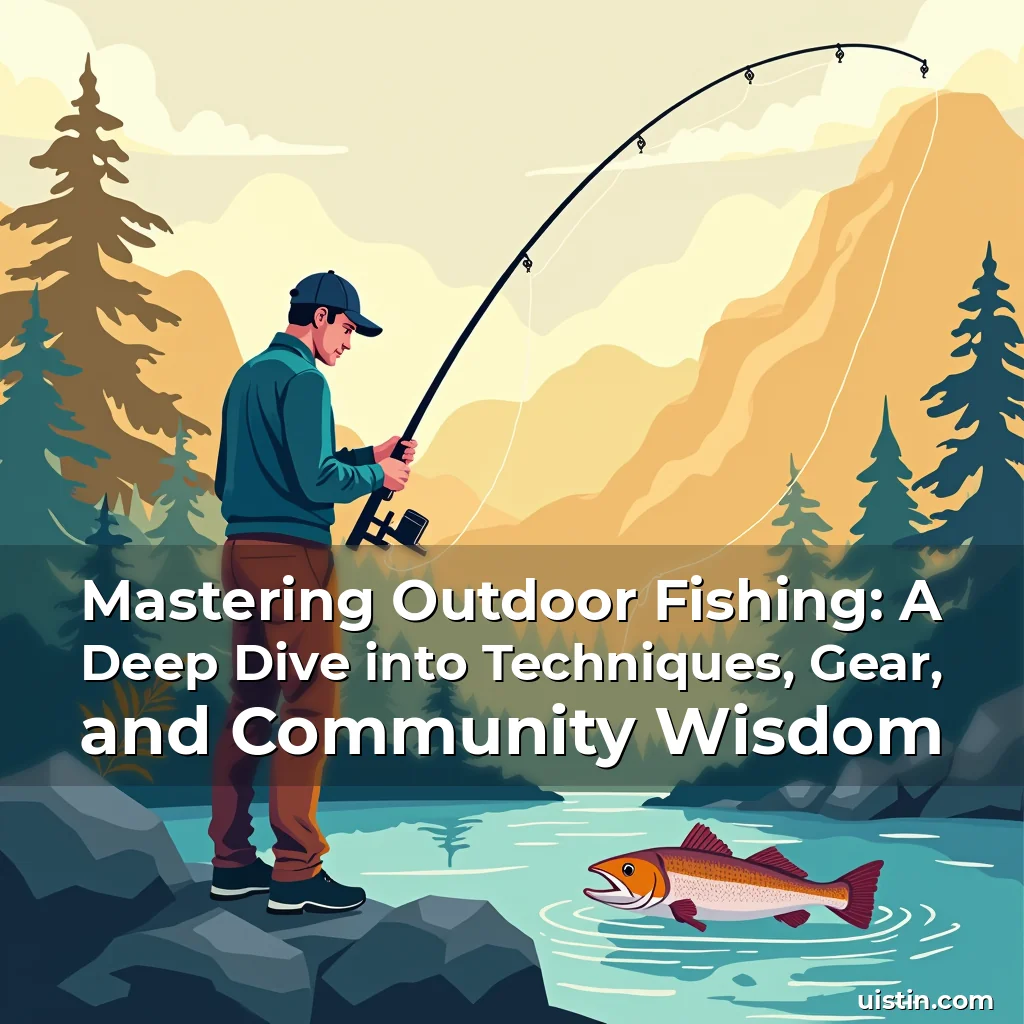
Mastering Outdoor Fishing: A Deep Dive into Techniques, Gear, and Community Wisdom
Fishing is more than a hobby—it’s a bridge between humanity and the wild rhythms of nature. For communities like the Uistin, whose lives intertwine with coastal and river ecosystems, outdoor fishing holds cultural, historical, and practical significance. Whether you’re casting your line for leisure or survival, this guide explores the art and science behind successful angling.
From selecting the perfect rod to decoding fish behavior, this article delves into the intricacies of outdoor fishing. We’ll uncover regional secrets, modern tools, and timeless wisdom passed down through generations of fishermen. By the end, you’ll be equipped to cast confidently and responsibly in any environment.
The Essence of Outdoor Fishing: Connecting with Nature
Outdoor fishing transcends mere recreation; it’s a meditative practice rooted in patience and respect for aquatic life. Unlike urban pursuits, it demands immersion in natural settings—rivers, lakes, oceans—that offer both challenge and reward. For many, including members of the Uistin community, these excursions foster a profound connection to ancestral lands and waters.
This activity also serves as a vital link to sustainability. Traditional fishing methods often prioritize minimal impact, preserving ecosystems for future generations. Understanding these principles ensures that every catch contributes positively to the delicate balance of marine and freshwater habitats.
Selecting Essential Gear: Tools of the Trade
Your success hinges on the right equipment. Begin with a sturdy rod suited to your target species—a spinning rod for lighter baits or a heavy-action model for battling large fish. Reels must match the rod’s specifications, offering smooth drag systems to prevent snapped lines during intense fights.
Bait selection varies widely depending on location and season. Natural offerings like worms or minnows work well in freshwater, while saltwater anglers favor squid or live shrimp. Tackle boxes stocked with hooks, sinkers, and swivels provide versatility in unpredictable conditions.
- Rod and reel compatibility: Mismatched gear can lead to snapped lines or damaged equipment. Always pair your rod with a reel designed for similar weight classes.
- Line choice matters: Monofilament offers stretch for absorbing shocks, while fluorocarbon mimics water transparency, reducing visibility to fish.
- Weatherproof accessories: Rain guards, UV-resistant cases, and waterproof storage containers protect gear from corrosion and degradation.
Decoding Fish Behavior: Reading the Waters
Fish respond to environmental cues such as light levels, temperature shifts, and tidal movements. Observant anglers notice patterns—how schools gather near structures or feed during dawn’s golden hour. Mastering these behaviors increases your chances of attracting bites.
Seasonal changes dictate feeding habits. In spring, spawning migrations draw fish to shallow areas, while summer heat pushes them deeper. Autumn sees increased aggression due to preparation for winter, making it prime time for trophy catches.
Tidal Cycles and Saltwater Tactics
In coastal regions like those frequented by the Uistin, tides play a pivotal role. During high tide, currents carry nutrients toward shorelines, drawing fish closer to the surface. Conversely, low tide exposes reef edges, offering ambush opportunities for predatory species like snapper or grouper.
Local experts advise timing casts around slack water periods, when fish conserve energy rather than fighting strong currents. Using weighted lures or jigging motions mimics prey movement in these dynamic scenarios.
Mastery Through Technique: Casting, Retrieval, and Patience
Casting accuracy determines whether your bait reaches productive zones. Practice overhead casts for open waters and sidearm throws for dense vegetation. Retrieve lures with varied speeds—fast twitches mimic injured prey, while slow retrieves imitate sluggish food sources.
Patience is paramount. Even the most skilled anglers face long stretches of silence before a strike. Maintain tension on the line, observing subtle vibrations or sudden dips indicating a bite. React swiftly but calmly to avoid losing your prize.
Safety First: Preparing for Every Scenario
Fishing in remote locations requires preparedness. Carry a first-aid kit, waterproof matches, and a whistle for emergencies. Wear polarized sunglasses to reduce glare and a hat with UV protection for extended exposure. Inform someone of your planned route and expected return time.
Be mindful of weather fluctuations. Sudden storms can turn calm waters treacherous. Secure loose items, seek shelter promptly, and avoid wading in flooded areas unless absolutely necessary. Respect wildlife encounters, maintaining distance from territorial animals like bears or crocodiles.
Eco-Conscious Angling: Preserving Aquatic Ecosystems
Sustainable practices ensure fisheries thrive for future generations. Follow local regulations on bag limits, size restrictions, and protected species. Use barbless hooks to minimize harm during release and clean your hands before handling fish to preserve their protective slime layer.
Dispose of waste responsibly—never discard plastic bottles or fishing line into waterways. Participate in beach or lake cleanup initiatives to combat pollution. Supporting conservation groups helps fund habitat restoration and monitoring programs crucial to ecosystem health.
Community Bonds: Learning from Local Traditions
The Uistin community embodies the spirit of shared knowledge in fishing circles. Elders teach younger generations traditional techniques honed over decades, passing down stories of legendary catches and sacred fishing spots. Attending local gatherings fosters connections and mutual support among anglers.
Join workshops hosted by indigenous guides who understand native species’ behaviors better than outsiders ever could. Their insights into seasonal migrations, preferred baits, and secret coves elevate your experience beyond textbook advice. Building relationships within these networks enriches your understanding of regional ecology.
Advanced Strategies: Elevating Your Skills
Experienced anglers refine their craft through targeted approaches. Study maps to identify submerged structures like fallen trees or rock formations that attract fish. Experiment with lure colors—bright hues work best in murky waters, while muted tones blend seamlessly in clear conditions.
Leverage technology to gain advantages. Sonar devices reveal underwater contours, guiding precise casts. Smartphones apps track moon phases affecting nocturnal feeding cycles. However, balance innovation with tradition; some methods still rely solely on instinct and observational acumen.
Conclusion: Becoming a Steward of the Water
Outdoor fishing is an evolving journey blending skill acquisition with environmental mindfulness. From selecting the ideal gear to honoring ancient customs, every step shapes your relationship with aquatic worlds. As you grow in proficiency, remember that true mastery lies not only in catching fish but in safeguarding their homes.
Embark on your adventure armed with this knowledge. Explore nearby rivers, test new techniques, and engage with fellow anglers. With dedication and reverence for nature, you’ll transform simple moments at the water’s edge into lifelong memories and contributions to global conservation efforts.